October 27, 2026
How to Prepare for Emergency Tree Removal Metairie After a Storm
By @angeloguum616
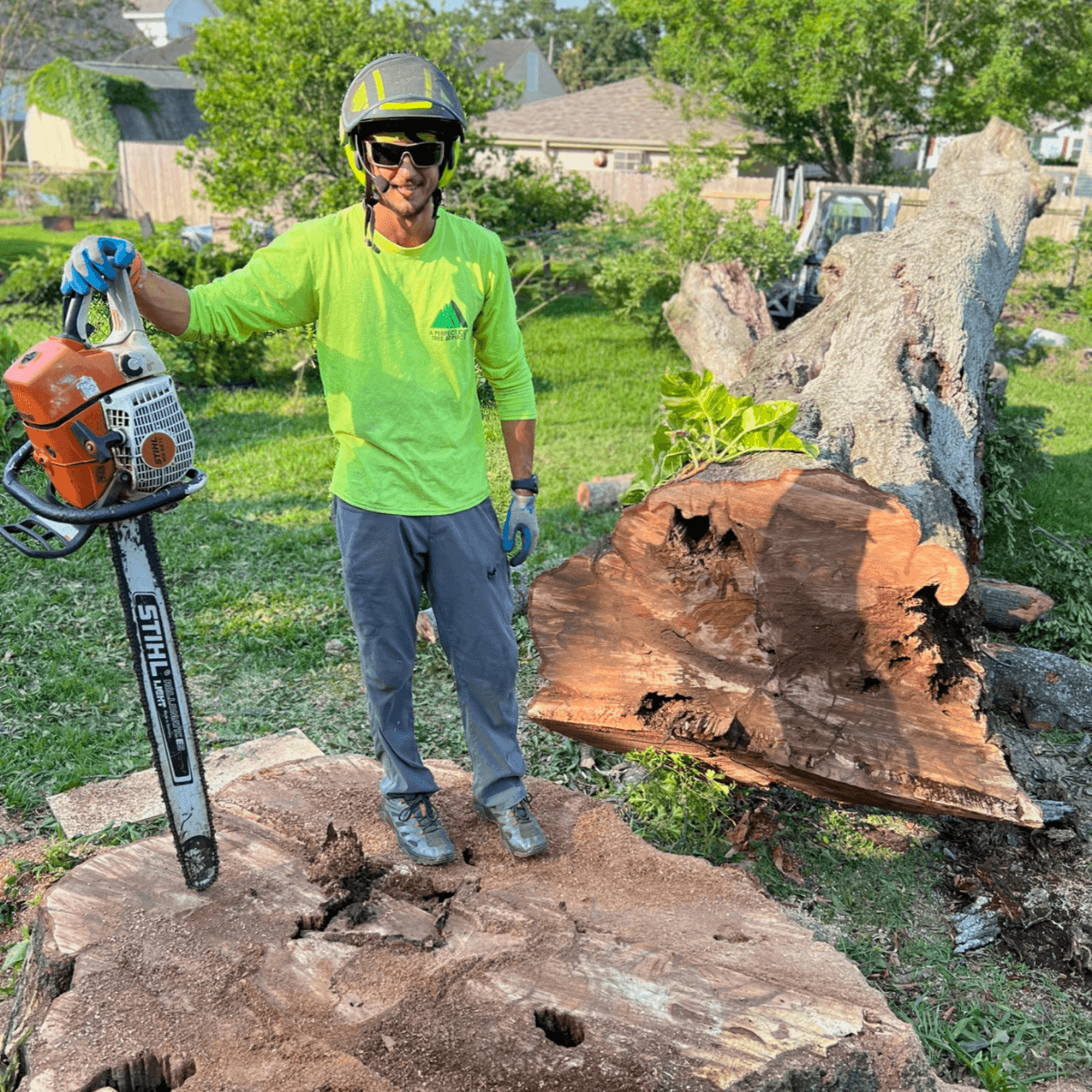
Storm season in Metairie has a way of turning an ordinary yard into a hazard zone overnight. A healthy live oak can hold up for decades, then lose a massive limb in a few minutes of sustained wind. A pine that looked fine on a calm afternoon can start leaning toward a roofline after the ground turns soft. The problem is not only the tree you can see. It is the pressure on the trunk, the root plate lifting out of saturated soil, the limbs hung up in power lines, and the hidden splits that can fail hours later.
When homeowners think about storm damage, they often picture shingles, fences, and flooding first. Trees deserve equal attention, especially in older neighborhoods where mature canopies are part of the landscape. Emergency tree work is not routine trimming. It is high-risk, time-sensitive, and expensive if handled poorly. Preparing before the next storm can protect your family, speed up insurance claims, and make it easier to secure reputable help when everyone in the area is calling at once.
In the local market for tree removal Metairie homeowners usually face the same challenge after a storm: too many damaged trees, too few qualified crews, and a lot of pressure to make fast decisions. That is exactly when preparation matters most.
Why emergency tree removal gets complicated fast
A storm-damaged tree is rarely as simple as it looks from the driveway. What seems like a downed limb may actually be holding tension against a fence or roof. A partially uprooted tree can remain standing for a while, then fail completely with almost no warning. If the trunk is twisted, cracked, or resting on a structure, every cut changes the way weight shifts. That is why experienced crews move slowly even when tree removal metairie the situation feels urgent.
Metairie properties also present some very specific complications. Tight lot lines, overhead utility lines, backyard access issues, and older homes with delicate roof systems all affect how a crew approaches removal. In some cases a climber can dismantle the tree piece by piece. In others, the safest option requires a crane or specialized rigging. Wet ground can keep heavy equipment off the lawn, which changes the plan again.
The urgency can tempt homeowners to hire the first person with a chainsaw and a trailer. That is where many storm cleanups go wrong. Poor cuts can send a tree through a roof. Uninsured operators can leave the homeowner exposed if someone gets hurt on site. Sometimes the lowest bid gets the tree off the property, but leaves the stump, the debris, the fence damage, and the insurance fight behind.
What to do in the first hour after the storm passes
The first hour is not the time to start cutting branches. It is the time to control risk and document what happened. Many injuries occur after the storm, when people step into unstable areas, climb ladders, or try to free a trapped limb without understanding what is under tension.
Start with distance. If a tree is on a power line, near a sagging wire, or touching the service drop to your home, stay back and call the utility company immediately. Assume every line is energized. Even seasoned tree crews treat line clearance as specialized work, and for good reason.
If the tree has fallen on the house, get everyone out of the affected area. A branch through the roof may not bring the whole structure down, but it can weaken rafters and ceilings, especially if rain continues. I have seen homeowners walk right under a cracked ceiling to move furniture, only to have wet drywall drop minutes later. Save what you can when the area is safe, but do not treat a structural impact as cosmetic damage.
Once immediate hazards are addressed, begin a careful visual assessment from the ground. Look for root lifting, trunk cracks, hanging limbs, and any part of the canopy under visible tension. If you hear creaking or popping, back away. Fresh storm failures often continue for several hours as the tree settles.
The records that make insurance and scheduling easier
In a widespread storm event, documentation saves time. Good records help when speaking with your insurer, your contractor, and any municipal office that needs to know whether the tree affected access or utilities. Homeowners who document early usually have fewer disputes later.
Use your phone to capture wide shots and close-ups. Take photos from the street, the yard, and any angle that shows how the tree is contacting the house, garage, fence, or vehicles. If rain is still coming down, take a quick first set and return for clearer images as soon as conditions improve. Video helps too, especially if it shows active movement, exposed roots, or a limb resting on a roof.
Keep notes on the time the storm passed, when you first noticed the damage, whether the power was affected, and any emergency calls you made. If a neighbor witnessed the tree fail, jot down what they saw. Do not exaggerate. Just preserve a clean record. A simple timeline can be surprisingly useful when an adjuster is sorting through dozens of claims.
Build your emergency tree plan before the forecast turns serious
The best time to think about emergency tree removal is when the weather is calm. Once a named storm enters the Gulf and everyone starts checking cones and projected tracks, the best local crews are already booked for pre-storm work and priority customers.
A practical emergency plan does not need to be complicated. It needs to answer a few real-world questions. Who do you call first? Where are your insurance documents? Which side gate opens wide enough for equipment? Is there a fence section that can be removed to improve access? Which trees on the property already worry you?
One of the smartest things a homeowner can do is walk the property with a reputable arborist before storm season peaks. Not every tree needs work, and not every lean is dangerous. But an arborist can flag deadwood, codominant stems, root issues, and limbs over structures that deserve attention now instead of after a storm. Preventive pruning often costs far less than emergency response.
Warning signs that a tree may fail in the next storm
Some failures are unpredictable, but many trees show stress long before they come down. Homeowners do not need to become arborists to catch the obvious ones. The key is paying attention before high winds make every weak point worse.
Here are five signs worth taking seriously:
- Fresh cracks in the trunk or major limbs, especially after heavy rain or prior wind events.
- Soil heaving or a raised root plate on one side of the tree.
- Large dead limbs over the house, driveway, or sidewalk.
- Fungal growth at the base, cavities, or visible decay in structural wood.
- A sudden lean, or a lean that has noticeably increased over time.
None of these signs automatically means the whole tree must come down. Some trees can be pruned, cabled, or monitored. But if one of these problems appears before storm season, waiting until after a major wind event is a gamble.
Choosing the right company when everyone is calling at once
After a storm, good companies are stretched thin. That is normal. What matters is how they communicate, how they assess risk, and whether they can prove they are qualified for the job. If you need emergency tree removal Metairie providers will vary widely in equipment, insurance, training, and cleanup standards.
A reputable company should be able to explain, in plain language, what makes the job hazardous and what equipment may be required. They should also be comfortable discussing whether the tree can be stabilized temporarily or whether full removal is the only safe option. That judgment call matters. Sometimes a tree on a fence can wait until daylight. A split oak over a bedroom usually cannot.
Price is important, but context matters. Emergency work at night, in wet conditions, around structures, or near utilities is inherently more expensive. The cost reflects labor, equipment, disposal, and risk. Be wary of prices that sound too cheap for the complexity of the job. Storm-chasing operators often quote low to get on the property, then add charges once work begins, or they cut enough to clear the driveway and disappear.
Ask for proof of liability insurance and workers' compensation coverage. If they cannot provide it, move on. A homeowner should not be left exposed because someone showed up quickly.
Questions worth asking before authorizing the work
A calm, direct conversation can reveal a lot about the company standing in your yard. Even in an emergency, you are allowed to ask basic questions.
Use these as a guide:
- Are you fully insured for tree removal and storm-related work on occupied residential property?
- What is your plan for removing the tree without causing further damage to the house, fence, or neighboring property?
- Does the estimate include debris hauling, log removal, stump work, and site cleanup?
- If utility lines are involved, who is coordinating with the power company?
- When can your crew start, and what conditions could delay the job?
Strong answers are usually clear and specific. Vague answers, rushed paperwork, or pressure to pay in cash upfront are all warning signs.
How access affects cost, speed, and strategy
Homeowners are often surprised by how much access changes the job. A tree that falls in an open front yard may be removed in a fraction of the time required for a similar tree trapped behind a narrow gate. In older parts of Metairie, that difference can be significant.
If a crew can back a grapple truck close to the work area, the cleanup is faster and less labor-intensive. If they need to carry debris by hand through a side yard, protect pavers, avoid irrigation lines, and keep equipment off a soggy lawn, the estimate will reflect that. This is not padding. It is logistics.
You can help before storm season by identifying access points and removing avoidable obstacles. If there is a locked gate, know where the key is. If a fence panel can be temporarily detached for equipment, discuss that with the fence contractor in advance or ask the tree company what clearance they typically need. Small details shave precious time off an emergency response.
The insurance side, where preparation pays off
Insurance coverage for storm-damaged trees depends on the policy, the cause of loss, and what the tree hit. Policies often treat tree debris differently depending on whether the tree damaged a covered structure, blocked a driveway, or simply fell in the yard. Because policy language varies, the safest move is to call your insurer early and ask specific questions.
The biggest mistake I see is homeowners cleaning up too much before documenting the scene. Yes, emergency mitigation is necessary, especially if a tree is opening the home to water intrusion. But preserve evidence. Take photos before tarps go up, before limbs are cut off the roof, and before debris is hauled away. Save all invoices, including temporary measures such as tarping or emergency board-up.
If the adjuster cannot visit immediately, ask whether your tree contractor can provide written notes about the condition of the tree and the immediate hazards involved. A short professional explanation can help clarify why emergency action was necessary.
What not to do when a tree is down
Storm cleanup brings out a lot of good intentions and a lot of bad judgment. Chainsaws are unforgiving under ideal conditions. Add unstable wood, slippery ground, and emotional stress, and the risk climbs fast.
A classic example is the branch that looks like it is lightly resting on a roof edge. Homeowners often assume a quick cut from the ladder will make it drop harmlessly into the yard. In reality, that limb may be pinned, twisted, or supporting weight in several directions. One cut can send it sideways into a window or backward toward the operator. The same goes for trunks resting on fences or garage corners. Stored tension is not always visible.
Another mistake is parking under compromised trees because the driveway seems clear. If the root plate has shifted or the canopy is hung up in another tree, the situation is still active. Move vehicles away from the area if you can do so safely, then keep people out until a qualified crew arrives.
Preparing your property before storm season reduces emergency calls
Emergency response matters, but prevention does more. Most homeowners will never eliminate storm risk entirely. The goal is to reduce the chance that a damaged tree becomes a life-safety problem.
Pruning is part of that, though timing and technique matter. Topping a tree is not storm preparation. It often creates weak regrowth and worse structural problems later. Selective pruning to remove deadwood, reduce end weight on vulnerable limbs, and improve canopy structure is different. So tree removal metairie is evaluating whether an aging tree near the house has reached the point where removal makes more sense than repeated repairs.
Pay attention to drainage too. Saturated soil contributes to root failure. If one section of the yard stays wet for days after moderate rain, a mature tree in that area may be more vulnerable during a major storm. Soil conditions do not mean a tree is doomed, but they should be part of the risk conversation.
Homeowners with large trees should also think about secondary impacts. If a tree falls, does it block the only way out of the driveway? Does it threaten the neighbor's generator, pool equipment, or service line? These are the practical details that turn an inconvenient cleanup into a neighborhood problem.
When removal is necessary, and when it may not be
Not every storm-damaged tree must come down. Some can be saved with corrective pruning, cabling, or monitored recovery. Others are structurally compromised beyond what is reasonable or safe to preserve. Good tree care is not always about keeping every tree at all costs. It is about making sound decisions based on risk, species, age, location, and defect severity.
For example, a small ornamental tree split low on the trunk near a front walk may not be worth heroic measures. Replacement may be the practical option. A large shade tree with minor limb failure and a solid trunk may be worth preserving, especially if it provides long-term value to the property. The right answer depends on the actual condition of the tree, not sentimental attachment alone.
This is where local judgment matters. In tree removal Metairie jobs, the surrounding environment often drives the recommendation as much as the tree itself. A compromised tree in an open field poses one kind of risk. The same tree over a nursery, carport, or children's play area poses another.
Have a local contact before you need one
The worst time to start researching tree companies is after a major storm warning when everyone else is doing the same thing. Establishing a relationship with a local, reputable company beforehand gives you a head start. You know who to call. They may already have your property notes on file. They may have evaluated a suspect tree months earlier and can respond with context instead of starting from scratch.
Store that contact information somewhere easy to access if power or internet service is disrupted. Put it in your phone, but also write it down with your insurance carrier's claim number, your policy number, and the utility emergency line. It sounds simple, but small preparation steps matter when the house is dark and the neighborhood is noisy with chainsaws and generators.
Storms will always test trees in South Louisiana. That part is unavoidable. What homeowners can control is how ready they are when a tree fails, how carefully they document the damage, and how wisely they choose the people doing the work. Preparation does not make emergency tree removal easy, but it does make it safer, faster, and far less chaotic when the weather finally clears.
A Perfect Cut Tree Service
4725 Shores Dr, Metairie, LA 70006
+1 504-732-0779
FAQ About tree removal metairie
What is the average cost of tree removal in my area?
There is no single price that fits every tree. Size, condition, access, nearby structures, equipment, debris hauling and stump work affect the estimate. Request a written, site-specific quote that identifies what is included.
Who will remove trees for free?
Free removal is not generally available for ordinary private-property tree work. Utilities or public agencies may handle trees within their responsibilities. Confirm eligibility directly and do not assume that an offer or assistance program covers your tree.
Can I just cut down a tree in my yard?
Check ownership, location and local requirements first. Jefferson Parish requires a permit for removal of qualifying vegetation in the public right-of-way, and additional protections may apply in designated areas. Ask the parish about your property and have a qualified tree professional assess the work.
❧