October 27, 2026
Tree Removal Metairie for Leaning Trees: When to Act Fast
By @angeloguum616


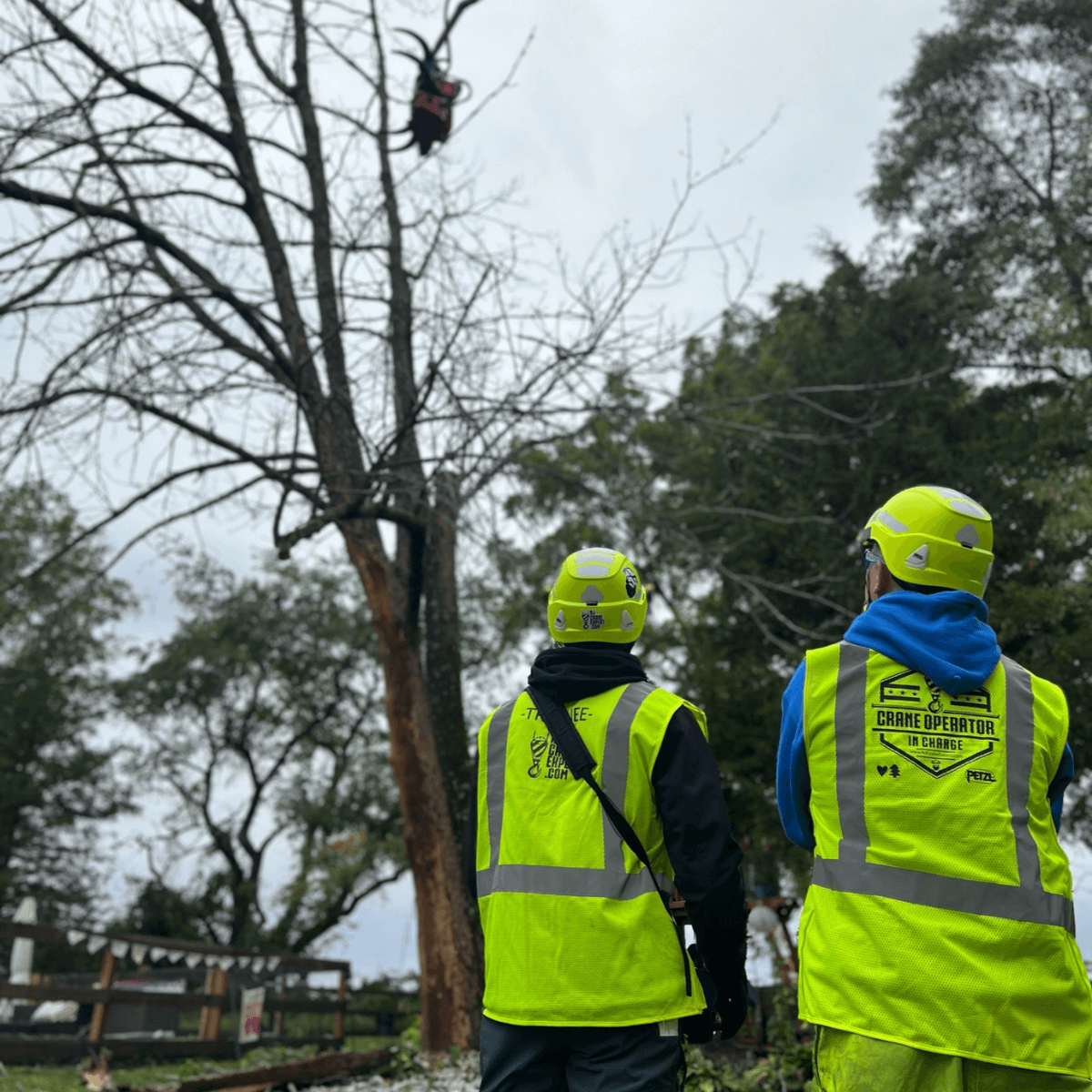
A leaning tree can sit in a yard for years without causing trouble, then fail in a single storm. That contrast is what makes these calls difficult for homeowners in Metairie. Some trees naturally grow with a slight tilt and remain stable for decades. Others begin leaning after root damage, saturated soil, wind exposure, or internal decay, and those are the ones that deserve immediate attention.
In this part of southeast Louisiana, trees deal with conditions that test them hard. Wet soils, heavy summer storms, hurricane season, compacted suburban lots, trenching for utilities, and occasional construction damage all add stress. A tree that looked acceptable six months ago can become a hazard after one long rain event and a few gusty afternoons. When people search for tree removal Metairie services, they are often reacting to that exact moment, a once-manageable tree now aimed toward a roofline, fence, driveway, or power drop.
The real question is not whether a tree leans. It is why it leans, whether that lean is changing, and what sits in the path if it fails.
Not every leaning tree is dangerous
One of the most common mistakes property owners make is assuming any lean means a tree has to come down. That is not always true. Many species, especially trees that developed in crowded conditions or reached for sunlight early in life, can carry a moderate lean with no active failure. The trunk may have built reaction wood over time, the roots may be well established, and the canopy may be balanced enough to keep the load manageable.
What raises concern is a new lean, a worsening lean, or a tree that leans in combination with other warning signs. Fresh soil heaving near the base, exposed roots, splitting at the trunk, cracks where major limbs attach, and a canopy that suddenly thins on one side all deserve a closer look. If a tree was upright last season and is now noticeably off-center, the odds are much higher that something has changed below grade or inside the wood.
I have seen homeowners live comfortably with a slightly angled live oak for twenty years, only to panic over the appearance of the lean itself. Then, in another yard, I have seen a pine shift just a few degrees after several soaked days, with the root plate lifting enough to leave no real doubt about what came next. The angle alone rarely tells the whole story. The movement does.
Why Metairie properties see leaning trees so often
Metairie presents a mix of conditions that make leaning trees a recurring issue. The first is soil. In many neighborhoods, soils hold water for long periods. Extended saturation reduces root grip and can soften the ground enough for a tree to rotate, especially when the canopy catches wind. A broad crown on wet soil can act like a sail.
The second factor is limited rooting space. Residential trees often grow in narrow strips between driveway slabs, sidewalks, patios, and foundations. Their roots are forced into compromised patterns. On paper, the tree may appear mature and healthy. In reality, it may be anchored unevenly.
Then there is storm history. Strong winds do not always snap a tree outright. Sometimes they twist it. A tree can survive one event and still carry damage that shows up later. It may lose enough root support on one side that the next period of heavy rain causes a noticeable lean. That delayed failure catches people off guard because the storm that started the problem may be long gone.
Construction is another quiet contributor. Grade changes, trenching, fill dirt, broken roots from equipment, and repeated traffic over the root zone can reduce stability. Homeowners often focus on what happens above ground because it is visible. Tree stability is usually decided underground.
The warning signs that call for fast action
There are a few situations where waiting is a bad gamble. If a leaning tree threatens a home, occupied structure, parked vehicles, or utility lines, speed matters. A same-day or next-day professional assessment is the right move, especially if the lean appeared suddenly.
These are the signs that most often separate a monitor-and-manage tree from a remove-it-now tree:
- recent movement, especially after wind or heavy rain
- soil lifting, cracking, or mounding around the roots
- a split trunk, deep vertical crack, or separation at a major union
- visible decay cavities near the base or fungal growth associated with root rot
- a target beneath the lean, such as a roof, play area, driveway, or service line
That list is short on purpose. Most tree removal metairie urgent removals come down to movement, structural failure, decay, or exposure to something valuable beneath the fall zone.
A practical point many people overlook is distance. A tree does not have to be directly over the house to hit it. Taller trees can strike farther than expected, and limbs often break free in a different direction from the main stem. If the lean points toward any occupied area, do not stand under it to inspect it more closely. View it from a safe distance and call a qualified arborist or tree removal crew with experience in hazardous removals.
Sudden lean versus long-term lean
The difference between a tree that has always leaned and one that just started leaning is critical. A long-term lean often produces visible adaptations. The trunk may curve upward as it grows, the root flare may look stable, and the crown may have redistributed itself over time. Those trees still need evaluation, but they are not automatically emergencies.
A sudden lean is a different matter. When a trunk that was formerly upright shifts after a storm, a plumbing trench, or prolonged wet weather, assume root damage or soil failure until proven otherwise. Trees do not usually change posture quickly without a reason. If the ground on one side has risen, the root plate may already be detaching. At that point, every gust matters.
There is also a middle category that fools a lot of people: the tree that has leaned for years but is now leaning more. That often means an older condition has worsened. Maybe decay has spread into the buttress roots. Maybe one side of the crown grew heavier. Maybe nearby drainage changed. A familiar tree can become dangerous without becoming dramatically different in appearance. Subtle progression is still progression.
Why DIY judgment often goes wrong
Homeowners are usually very good at spotting obvious problems and less reliable at reading the cause behind them. A green canopy can create false confidence. Plenty of structurally unsound trees still leaf out well because the vascular system is functioning even while the wood that provides support is compromised. On the other side, sparse foliage can be caused by stress that does not necessarily make the tree an immediate fall risk.
Another problem is perspective. Standing on the ground and looking up can distort angle and balance. A tree that appears to be leaning dangerously from one spot may be less severe from another. Or the opposite can happen, a trunk appears stable until you notice the soil cracking behind the root flare or the seam opening where two stems meet.
People also tend to underestimate the complexity of removal. Leaning trees store tension and compression in ways that make cutting unpredictable. A hinge can fail early. A side load can twist the stem. Limbs under pressure can spring violently when released. This is why hazardous tree removal is not simply regular cutting with a chainsaw. It requires planning, rigging, and often equipment that keeps crews out of the direct danger zone.
Cases where pruning might help, and cases where it will not
There are situations where selective pruning can reduce risk. If the tree is structurally sound and the issue is a heavy lateral canopy creating excess sail, careful weight reduction may improve balance. Young trees can sometimes be corrected with pruning and staking if the lean is caught early enough. This is more common in smaller ornamental trees than in mature shade trees.
But pruning is not a cure for root failure or trunk decay. If the anchoring system is compromised, removing a few branches does not restore the tree’s stability. It may reduce wind load somewhat, but it does not rebuild lost roots. In mature trees, aggressive topping or over-thinning can actually make things worse by stressing the tree and stimulating weak regrowth.
This is where sound tree removal Metairie advice matters. A reputable company should not push removal when a tree can be preserved safely, and it should not sell pruning as a substitute when the structure is already failing. The right recommendation depends on the defect, the species, the site, and the target beneath it.
Species matter more than most homeowners realize
Some species handle lean and storm stress better than others. Live oaks, for example, can be remarkably durable when healthy, but they are not immune to root problems, especially if construction has damaged their critical root zone. Water oaks may decline faster and can hide decay until a failure exposes it. Pines can fail dramatically after root destabilization because their height and wind profile work against them. Crepe myrtles lean often and may remain manageable because their size is smaller, though multi-stem splits can still create hazards over driveways or walkways.
Species knowledge helps interpret risk, but it never replaces an on-site assessment. I have seen large oaks survive conditions that would have dropped a pine, and I have seen neglected oaks with basal decay become far more dangerous than their healthy-looking crowns suggested. Species sets the baseline. Site conditions and structural defects decide the outcome.
Timing matters, especially around storms
One of the hardest realities in this business is that dangerous trees become everyone’s priority at the same time. If a tropical system is forecast and your tree already shows signs of instability, waiting until the weather arrives is risky and often expensive. Crews get booked quickly, and once winds pick up, safe removal may no longer be possible. At that point, you are left hoping it holds.
The best time to deal with a questionable lean is before the emergency. Not because every leaning tree will fail tomorrow, but because the window for calm, controlled work is tree removal metairie worth preserving. A planned removal is safer for workers, less damaging to the property, and usually simpler logistically. The same tree handled a week earlier can be routine. The same tree after another storm cell can become a technical hazard removal requiring cranes, traffic control, and far more cleanup.
If you are unsure whether a tree can wait, think in terms of consequence. If it fell tonight, what would it hit? If the answer includes a bedroom, a parked car, the main service line, or the neighbor’s roof, treat it with urgency.
What a professional assessment should include
A proper evaluation is not just someone glancing upward and naming a price. The crew or arborist should inspect the lean in context. That means looking at the root flare, soil condition, trunk defects, canopy distribution, previous cuts, site drainage, and nearby targets. In many cases, they will ask when you first noticed the lean and whether it changed after a specific event.
They should also explain the reasoning behind the recommendation. If removal is advised, you should hear a defensible cause, not a vague statement that it “looks bad.” Root plate movement, decay at the base, active cracking, recent shift, or severe target exposure are all concrete reasons. If mitigation is possible, they should explain what that would achieve and where its limits are.
A good contractor will also talk honestly about access. In Metairie neighborhoods, access can be tight. Fences, carports, utility drops, narrow side yards, and neighboring structures all affect how a removal is performed. Sometimes a tree can be felled in one piece. Often it must be dismantled in sections. That difference affects time, equipment, and cost.
The real cost of waiting too long
Homeowners naturally hesitate over removal because mature trees add shade, value, and character. No one likes taking down a tree unnecessarily. But waiting has its own price, and it is often higher than people expect.
Once a leaning tree fails, the bill expands fast. There may be roof repairs, fence replacement, electrical work, debris hauling, emergency tarp service, and in some cases water damage inside the house. Insurance may help, but claims are disruptive and not always straightforward, particularly if a defect was visible and no action was taken. Even when coverage applies, deductibles and delays can turn a preventable tree issue into a months-long project.
There is also the human factor. I have spoken with homeowners who knew a tree worried them but kept putting off the call because life was busy and the tree had not moved in years. Then a storm changed the equation in fifteen seconds. Most of them say the same thing afterward: they wish they had handled it earlier, when they could still choose the timing.
What removal involves on a leaning tree
Hazard removals usually begin with isolating the work zone. Vehicles get moved, pedestrian access is controlled, and the crew decides whether the tree can be climbed safely or whether machinery is needed. A strong lean changes where the weight sits, so cuts must account for that load. If the tree is over a roof or fence, sections are often lowered by rope instead of dropped.
In some removals, especially where access is poor, every piece has to be guided out carefully. This is slower than open-space work, but it protects the property. Stump grinding may happen the same day or later, depending on the site and whether underground utilities have been marked.
Homeowners often ask whether the whole tree must go if only one side seems compromised. The answer depends on the defect. If the problem is isolated to a failed leader on an otherwise stable tree, there may be a preservation option. If the lean is tied to root loss or decay at the base, partial measures rarely solve the real issue. The lower structure is the foundation. When the foundation is failing, saving the top is usually not realistic.
How to choose the right company for tree removal Metairie work
Not every tree crew is equipped for hazard work. Basic trimming and complex leaning-tree removal are different jobs. You want a company that can explain its process, carries appropriate insurance, and has experience removing trees over structures in tight residential settings.
Ask direct questions. Have they handled recent leaners with root plate movement? Will they use a climber, a lift, or a crane if needed? Who is responsible if a fence panel must be removed for access? Will debris be hauled, stacked, or chipped on site? Clear answers usually tell you a lot about professionalism.
Here are a few points worth confirming before work begins:
- proof of insurance and who is covered on the crew
- whether permits or utility coordination are needed for your location
- exactly what is included, such as haul-off, stump grinding, and cleanup
- how the tree will be accessed without damaging irrigation, fences, or paving
- whether the company recommends full removal or believes mitigation is still viable
That kind of conversation protects both sides. It also helps you compare estimates based on scope, not just price.
A practical way to think about urgency
If you are standing in the yard wondering whether to monitor or remove, simplify the decision. Ask three questions. Did the tree move recently? Does it show signs of structural failure at the roots or trunk? Is there something important in range if it falls? One “yes” may justify an inspection. Two or three usually mean do not delay.
The goal is not panic. It is judgment. Trees are living structures, not decorative posts set in concrete. They respond to water, wind, root injury, age, and gravity. In Metairie, where weather and soil can shift the balance quickly, a leaning tree deserves more than a casual glance.
Some trees can be managed. Some need cabling, pruning, or monitoring. And some are already telling you, in the plainest possible way, that time is up. When that happens, prompt tree removal Metairie service is not an overreaction. It is the responsible choice for the house, the neighbors, and the people who live beneath that canopy every day.
A Perfect Cut Tree Service
4725 Shores Dr, Metairie, LA 70006
+1 504-732-0779
FAQ About tree removal metairie
What is the average cost of tree removal in my area?
There is no single price that fits every tree. Size, condition, access, nearby structures, equipment, debris hauling and stump work affect the estimate. Request a written, site-specific quote that identifies what is included.
Who will remove trees for free?
Free removal is not generally available for ordinary private-property tree work. Utilities or public agencies may handle trees within their responsibilities. Confirm eligibility directly and do not assume that an offer or assistance program covers your tree.
Can I just cut down a tree in my yard?
Check ownership, location and local requirements first. Jefferson Parish requires a permit for removal of qualifying vegetation in the public right-of-way, and additional protections may apply in designated areas. Ask the parish about your property and have a qualified tree professional assess the work.
❧