October 27, 2026
Tree Removal Metairie for Oak Trees, Pines, and Palms
By @angeloguum616
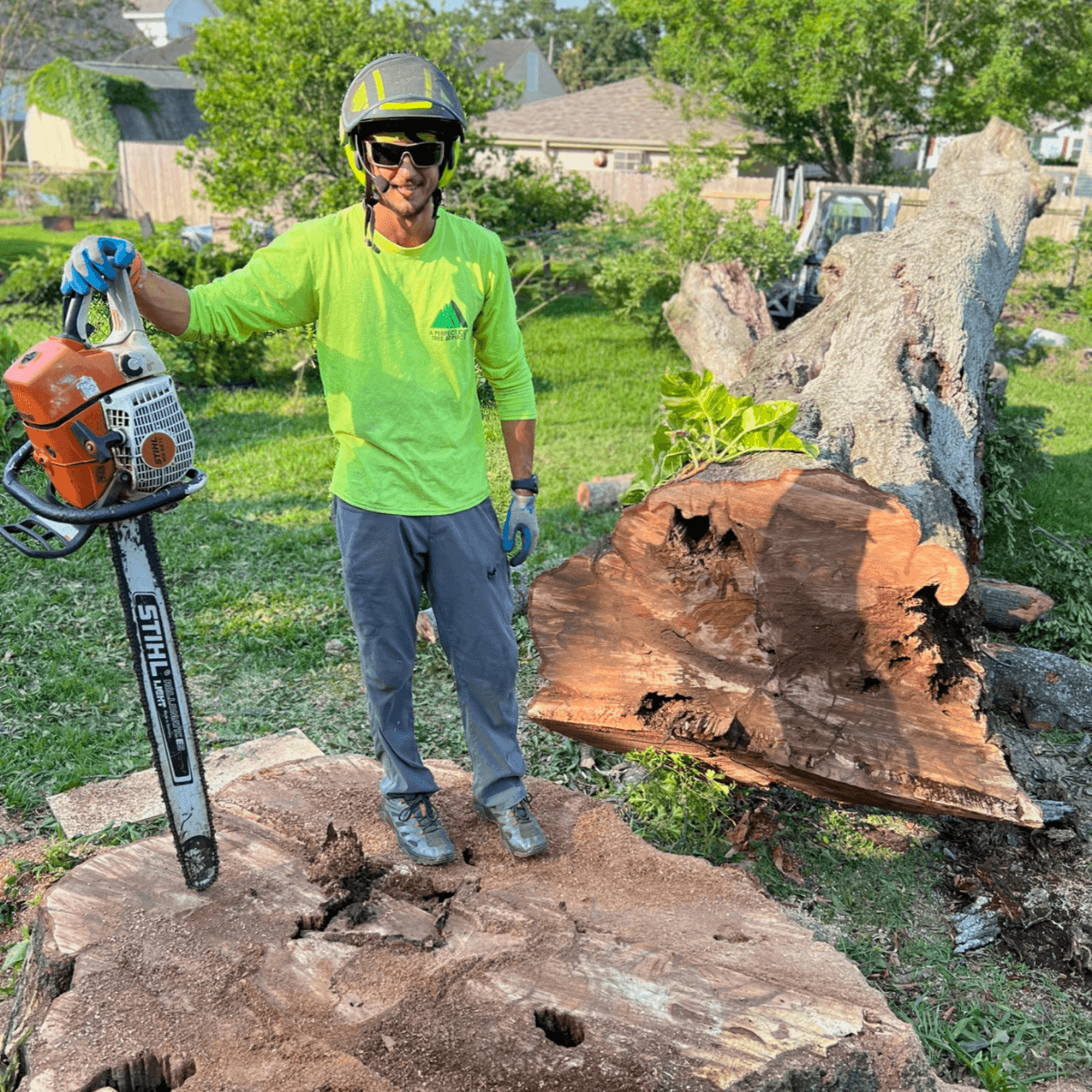
Tree removal in Metairie is rarely a simple matter of cutting and hauling. The species matters. The location matters. The condition of the tree matters even more. A leaning water oak over a roof calls for a very different plan than a tall pine growing along a fence line, and neither behaves quite like an overgrown palm that has started shedding heavy fronds above a driveway.
In this part of southeast Louisiana, tree work comes with a local set of complications. Saturated soil can loosen root systems. Tight suburban lots leave little room for dropping limbs. Hurricane season turns small defects into expensive emergencies. Many homeowners put off removal because the tree still looks mostly green, but appearance can be misleading. Some of the most hazardous trees I have seen in neighborhoods around Metairie still leafed out normally right up until a trunk split, a root plate lifted, or a major scaffold limb failed after a summer storm.
That is why good tree removal starts with judgment, not a chainsaw. When people search for tree removal Metairie services, what they usually need is a realistic assessment of risk, species behavior, access, and cost, all at once. Oaks, pines, and palms each present their own challenges, and understanding those differences helps homeowners make better decisions before the job becomes urgent.
Why species changes the whole job
A lot of people assume tree removal is mostly about height. Height matters, but wood structure, weight distribution, rooting pattern, and decay tendencies often matter more. Two trees of the same size can require completely different equipment and crew strategies.
Oaks in Metairie tend to be broad, heavy, and unpredictable once decay gets into the trunk or major limbs. Pines can be tall and fairly straightforward in open spaces, but they become technical removals when they stand close to homes, service lines, or neighboring yards. Palms seem simpler because they do not branch like shade trees, yet they can be awkward and dangerous in their own way, especially when old boots, seed stalks, and dense crowns add top weight.
The right approach depends on how the tree grew, how it failed, and what sits around it. That is where local experience pays off. In older Metairie neighborhoods, I have seen mature trees planted decades ago in spaces that made sense when the trees were small. Years later, roots push sidewalks, crowns crowd roofs, and removal becomes a rigging operation performed above fences, sheds, patios, and parked cars.
Oak tree removal in Metairie
Oaks are often the most emotionally difficult trees to remove because they are large, established, and usually tied to the character of a property. They provide deep shade, lower surface temperatures, and can make an ordinary yard feel settled and valuable. That is also why homeowners sometimes wait too long.
A healthy oak is worth preserving whenever possible. Pruning, cabling, soil improvement, and careful monitoring can extend the life of a good tree for many years. But when the trunk develops advanced decay, when a major union opens, or when root loss has destabilized the tree, removal becomes the safer call.
Water oaks deserve special mention in this area. They grow fast, they look impressive, and they often decline earlier than people expect. By the time a water oak reaches maturity, internal decay may already be reducing its structural reliability. I have walked properties where the canopy looked full from the street, yet a close inspection at the base showed cavities, fungal activity, soft wood, and old wounds that had never compartmentalized well. Once that kind of deterioration is established, storms tend to expose it brutally.
Live oaks are another story. They are generally stronger and longer lived, but they can become enormous. Their horizontal spread creates leverage, and that leverage matters in high winds. If a live oak has grown over a roof, pool cage, or neighboring structure, the removal process usually involves sectional dismantling. Limbs come off piece by piece, then wood is rigged down in controlled sections. On a tight lot, free-falling wood is often not an option.
The weight of oak wood also affects logistics. Oak is dense. Large rounds are extremely heavy. A trunk that looks manageable from the ground can produce sections that require machinery, cranes, or strategic cutting to move safely. This is one reason price ranges for oak removal can swing so widely. The species itself, the diameter of the trunk, and the need for rigging all drive labor and equipment time.
When an oak should come down
Homeowners often ask what the tipping point is. There is no universal rule, but some warning signs deserve immediate attention. Large dead limbs in the upper canopy are one. Visible cracks at branch unions are another. Mushrooms or conks growing from the trunk base can signal internal decay, though the significance depends on the species of fungus and where it appears. A sudden lean, soil heaving, or exposed roots after heavy rain should never be ignored.
One of the more common scenarios in Metairie is a mature oak that has taken repeated pruning over the years to clear a roof or utility line. Every cut creates a wound. Not every wound becomes a problem, but poorly placed cuts and repeated topping can start a cycle of decay and weak regrowth. At some point the tree stops being a low-maintenance asset and turns into a recurring liability.
Pine tree removal and the hidden risks
Pines are common on Louisiana properties because they grow quickly and provide screening and vertical accent. They can also become a serious hazard without much visual warning. Unlike a broad oak with obvious dieback or visible cavities, a pine can fail after root decline or lightning damage while still carrying a good amount of green foliage.
Tall pines are especially vulnerable in saturated soils and strong winds. The issue is often not just the trunk but the root system. On lots where drainage is poor, repeated wet periods can weaken anchorage. A pine that has started to lean after a storm is not a wait-and-see situation. If the root plate has shifted, the window for safe removal may be short.
Pine removals are often deceptive from the ground. The trunk rises straight, the crown seems narrow, and the homeowner assumes the job will be simple. But pines can carry surprising top weight. Dead tops, old storm damage, and brittle limbs complicate climbing. Resin can affect handling. If the tree is close to a house, fence, or power service drop, controlled dismantling is usually necessary.
I remember one property where two mature pines stood between a driveway and a rear fence with almost no drop zone. From the sidewalk they looked like straightforward removals. Up close, one had a lightning scar hidden on the back side and extensive dead wood in the upper crown. Every section had to be rigged because one wrong swing would have put wood onto the roof edge or the neighbor’s shed. Jobs like that explain why estimates from reputable contractors sometimes come in higher than homeowners expect. The complexity is not always visible until someone trained walks the site.
Palms are different, not easier
Palm trees confuse people because they do not behave like hardwoods or pines. They are not “wood” in the same structural sense, and they do not branch in the same way. That leads many homeowners to assume removal is quick and cheap. Sometimes it is. Sometimes it is one of the more awkward jobs in the yard.
A palm with a slim trunk and open access can be removed efficiently. But mature palms with heavy crowns, old frond bases, and seed structures can carry a lot of weight high above ground. The work often involves ascending a smooth trunk, clearing the canopy, and cutting the stem down in sections. If the palm sits next to a pool deck, screen enclosure, or decorative hardscape, every piece has to be placed carefully.
Another issue is cleanup. Palm debris is fibrous, bulky, and less forgiving than people expect. Fronds do not stack like brush from an oak or pine. They snag, sprawl, and fill trailer space quickly. Stumps can be stubborn too, depending on species and moisture content. Homeowners looking at a single palm often think of it as a short half-day task, but site access and disposal can shape the whole quote.
Palms are also frequently removed for reasons other than immediate hazard. A palm may be healthy but poorly placed, too close to a foundation, blocking a line of sight at the driveway, or dropping fruit into a pool. In those cases the discussion is less about emergency risk and more about long-term maintenance and use of space.
Access is often the hardest part of tree removal Metairie jobs
Across Metairie, many homes sit on compact lots with mature landscaping, fences, overhead service lines, and limited side-yard clearance. That means the biggest challenge is often not cutting the tree, it is getting people and equipment to the tree without damaging everything around it.
A backyard oak with no alley access can require climbers to carry gear through a narrow gate. A pine near the rear property line may need all brush dragged by hand. A palm next to decorative stone, irrigation lines, and outdoor lighting has to be dismantled with exceptional control. These factors add labor and slow the pace of the work, even when the tree itself is not unusually large.
Crane access can simplify a difficult removal, but only if the street, driveway, and surrounding obstacles allow it. In some neighborhoods, overhead lines, parked cars, soft lawns, or limited reach make cranes impractical. When that happens, the crew may have to rely on traditional climbing and rigging methods, which take longer but offer precise control.
This is one of the biggest reasons online price averages tend to mislead homeowners. A thirty-foot palm in a wide front yard is not the same job as a thirty-foot palm boxed in by fences and a screened patio. The tree dimensions may match on paper, yet the job cost can be radically different.
How professionals decide whether removal is necessary
Responsible tree contractors do not jump straight to removal. They evaluate whether the tree can be retained safely and whether the owner’s goals support that. Sometimes the answer is pruning and monitoring. Sometimes it is reduction. Sometimes removal is the only realistic path.
A solid assessment usually looks at several things:
- Species characteristics, including how that type of tree typically fails
- Structural defects such as cracks, cavities, included bark, and dead leaders
- Root zone issues, including grade changes, trenching, and poor drainage
- Targets beneath the canopy, like roofs, vehicles, fences, and utility lines
- Site access, because safe removal has to be feasible, not just desirable
That process matters because not every defect justifies removing a mature tree. I have seen trees with dramatic-looking bark scars that were structurally stable, and I have seen trees with mild outward symptoms that had severe internal decay. Good judgment comes from matching visible signs with species behavior and site consequences.
Storm season changes the timeline
The closer hurricane season gets, the less margin there is for indecision. Trees that seem tolerable in mild weather become much riskier when wind load and saturated soil are added to the equation. Homeowners often call after a named storm is already in the forecast, but by then schedules tighten fast and emergency pricing becomes aperfectcuttree.com tree removal metairie more common.
Preventive removal is rarely as dramatic as emergency removal, but it is almost always easier on the budget and the property. A tree taken down under controlled conditions can be dismantled carefully, debris can be staged cleanly, and the crew can work methodically. A storm-damaged tree is another matter. Broken tops, split trunks, hung-up limbs, and compromised roots create a far more dangerous environment for everyone involved.
After storms, I have seen the same pattern repeat. The tree that worried the homeowner for two years is suddenly lying across a fence, or worse, partially suspended over the roof because another tree caught it. What could have been a planned job becomes a hazardous extraction.
What affects the price
Most homeowners want at least a rough idea of cost before they call, which is understandable. No honest contractor can price tree removal accurately without seeing the tree, but the variables are easy to explain.
Height and trunk diameter matter first. Species matters next because wood weight, branching habit, and removal method differ. Site access is often the biggest swing factor. So is the presence of structures, power lines, and landscaping that must be protected. Stump grinding, haul-off, and cleanup standards also influence the final number.
Here is where people sometimes misjudge the value of a quote. A low bid may exclude full debris removal, leave stump grinding out entirely, or rely on faster methods that create more risk to the lawn, driveway, or adjacent trees. A higher bid may reflect a more careful rigging plan, a larger crew, insurance costs, and a cleanup standard that leaves the property usable the same day.
For tree removal Metairie homeowners should expect quotes to vary, but wildly low pricing on large or hazardous trees is usually a red flag. Tree work is equipment-heavy, labor-intensive, and liability-sensitive. If the number seems too good for the complexity of the job, it probably is.
Questions worth asking before you hire
The contractor matters as much as the diagnosis. A skilled crew can remove a difficult tree with surprisingly little disruption. An unqualified crew can turn a manageable job into property damage in minutes.
A few questions quickly reveal whether a company takes the work seriously.
- Are they insured for tree work, not just general handyman services?
- Will they remove the tree in sections if needed, or are they planning to drop major pieces?
- What is included in cleanup and haul-away?
- Is stump grinding part of the quote or a separate line item?
- Have they worked with oaks, pines, and palms in tight Metairie lots before?
You can usually tell a lot from the answers. Experienced contractors talk specifically about access, rigging, targets, and species behavior. Vague reassurance is not enough when a heavy limb hangs over a roof.
The role of pruning before removal becomes necessary
Not every tree that concerns a homeowner needs to come down. In fact, some of the best outcomes come from intervening early with thoughtful pruning. Removing dead wood, reducing end weight on long limbs, and correcting minor clearance conflicts can buy time and reduce risk. That said, pruning is not a cure-all.
Over-pruning can stress a tree and accelerate decline. Topping is especially harmful and tends to create weak, fast regrowth with poor attachment. I still see topped trees around older properties where someone tried to cut maintenance costs years ago. The result is tree removal metairie usually a more dangerous tree that now requires even more expensive work.
For oaks, selective structural pruning often works well when the tree is otherwise healthy. For pines, pruning is more limited because poor cuts and excessive canopy removal can create long-term problems. For palms, routine trimming is mostly about removing dead or declining fronds, not shaving the canopy into an ornamental shape. Each species has its own thresholds, and crossing them can make a retainable tree worse.
Stump removal and what happens after the tree is gone
Homeowners sometimes focus so much on the tree that they forget about the stump. Whether you grind it depends on the species, the location, and what you want to do with the space afterward.
An oak stump in a front yard usually gets ground because it interferes with replanting, mowing, and appearance. A pine stump in a wooded side area may be less urgent. A palm stump can be relatively compact, but if the area is being redesigned, removal still makes sense. Grinding does not remove every root, but it usually solves the practical problem and allows the site to be restored with soil and sod.
After removal, replanting deserves some thought. Replacing a massive shade tree with another fast-growing species in the same constrained spot often repeats the original mistake. Better results come from matching mature size to available space. In Metairie, that means thinking years ahead, not just choosing what looks good at the nursery today.
The best time to act
The best time to remove a hazardous tree is before weather makes the choice for you. That does not mean every imperfect tree should come down. It means the decision should be made with a clear-eyed understanding of species behavior, structural condition, and site consequences.
Oak trees demand respect because of their mass and potential for hidden decay. Pines require attention because they can fail dramatically, especially in wet soil and high wind. Palms need a different kind of planning, particularly when heavy crowns and confined spaces are involved. Each one calls for a tailored approach.
Homeowners looking into tree removal Metairie services are often trying to solve more than one problem at once. Safety, cost, appearance, storm preparation, and property use all overlap. The right solution comes from weighing those factors carefully, not from treating every tree like the same job. When the assessment is honest and the removal plan fits the tree, the result is safer, cleaner, and far less stressful for everyone involved.
A Perfect Cut Tree Service
4725 Shores Dr, Metairie, LA 70006
+1 504-732-0779
FAQ About tree removal metairie
What is the average cost of tree removal in my area?
There is no single price that fits every tree. Size, condition, access, nearby structures, equipment, debris hauling and stump work affect the estimate. Request a written, site-specific quote that identifies what is included.
Who will remove trees for free?
Free removal is not generally available for ordinary private-property tree work. Utilities or public agencies may handle trees within their responsibilities. Confirm eligibility directly and do not assume that an offer or assistance program covers your tree.
Can I just cut down a tree in my yard?
Check ownership, location and local requirements first. Jefferson Parish requires a permit for removal of qualifying vegetation in the public right-of-way, and additional protections may apply in designated areas. Ask the parish about your property and have a qualified tree professional assess the work.
❧